

Hear from Our Customers
You’ve noticed the musty smell. Maybe someone in your house has been coughing more than usual, or you’re dealing with persistent headaches that won’t quit. You’re wondering if there’s mold somewhere you can’t see.
Here’s what matters: catching mold early means you deal with a small problem instead of a big one. Professional mold testing identifies exactly what’s growing, where it’s hiding, and how much is there. That information tells you whether you need remediation or just better ventilation.
Without testing, you’re guessing. With it, you know. And when you know, you can make the right call about your next step—whether that’s peace of mind or a targeted fix that stops the problem before it damages your home or makes anyone sicker.
We’ve been helping Newportville homeowners get clear answers about mold for years. We’re not a general contractor who does mold on the side. This is what we do.
Bucks County’s humid summers create perfect conditions for mold growth, especially in basements, crawl spaces, and anywhere moisture gets trapped. We’ve tested hundreds of homes across the area, and we know where to look and what to test for.
You’re not getting a salesperson. You’re getting trained inspectors with infrared cameras, moisture meters, and lab-backed air quality analysis. We’ll tell you what we find, what it means, and what your options are.
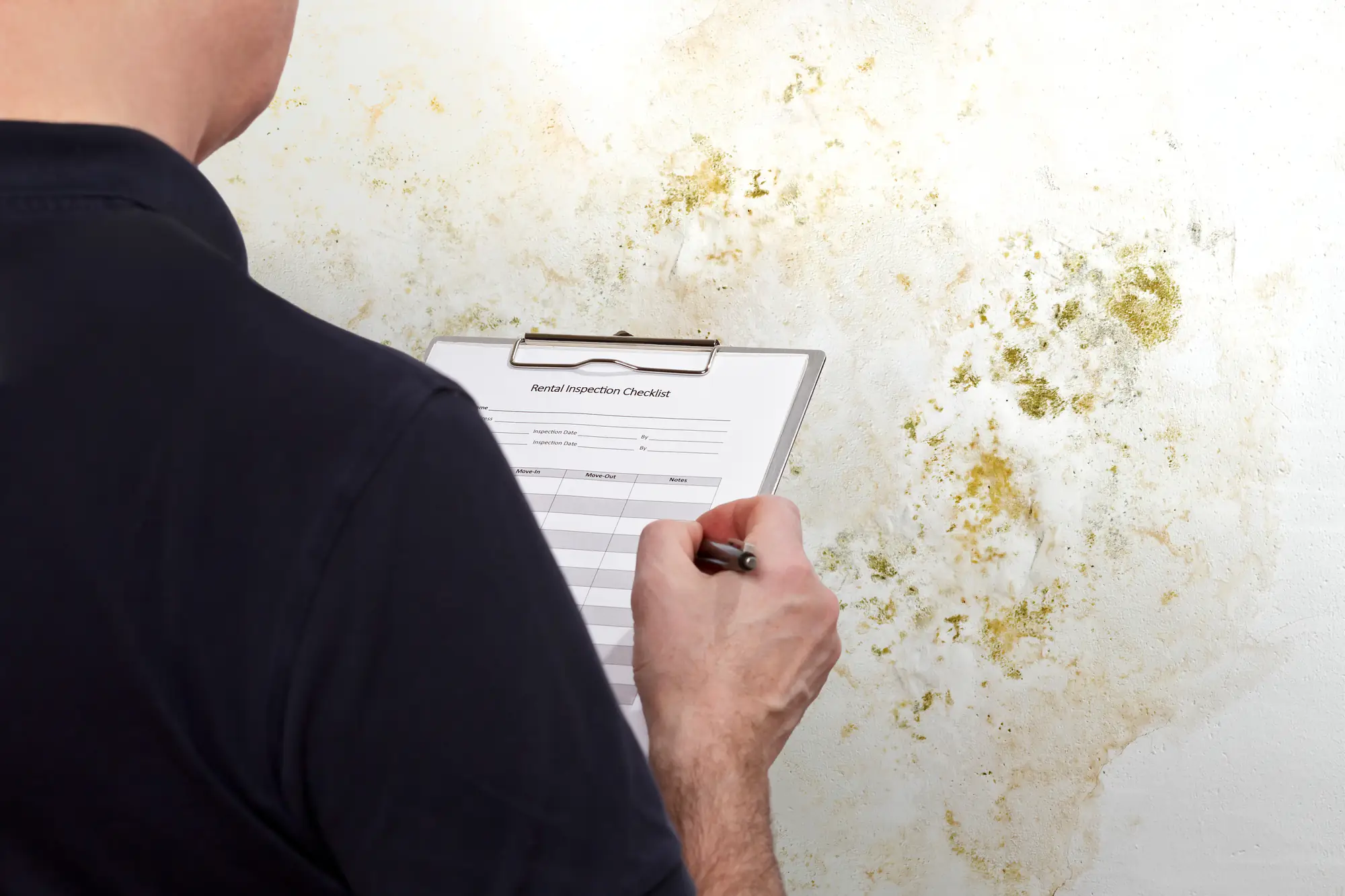
First, we walk through your home and talk about what you’ve noticed—smells, symptoms, water damage, anything that brought you here. Then we start the inspection.
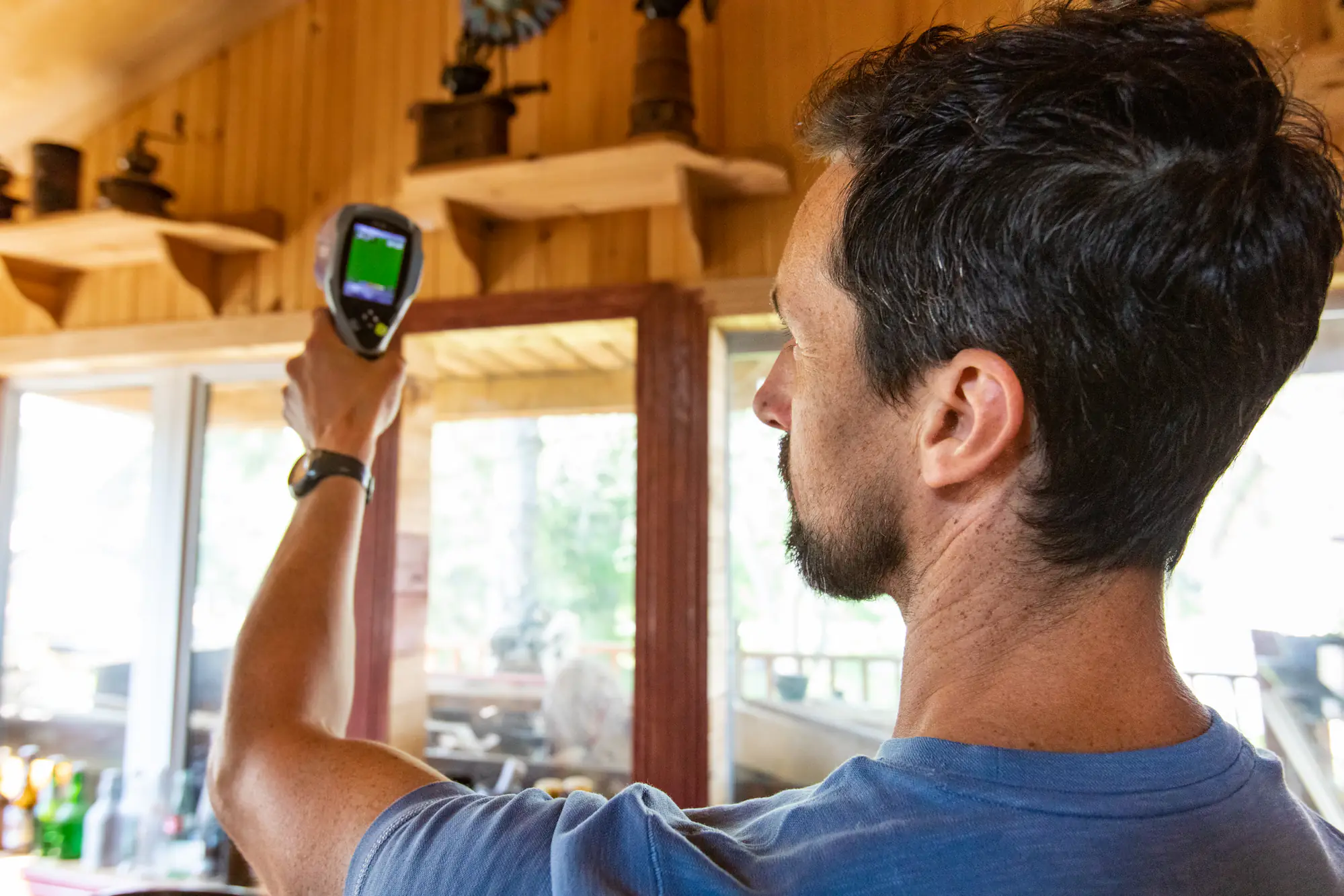
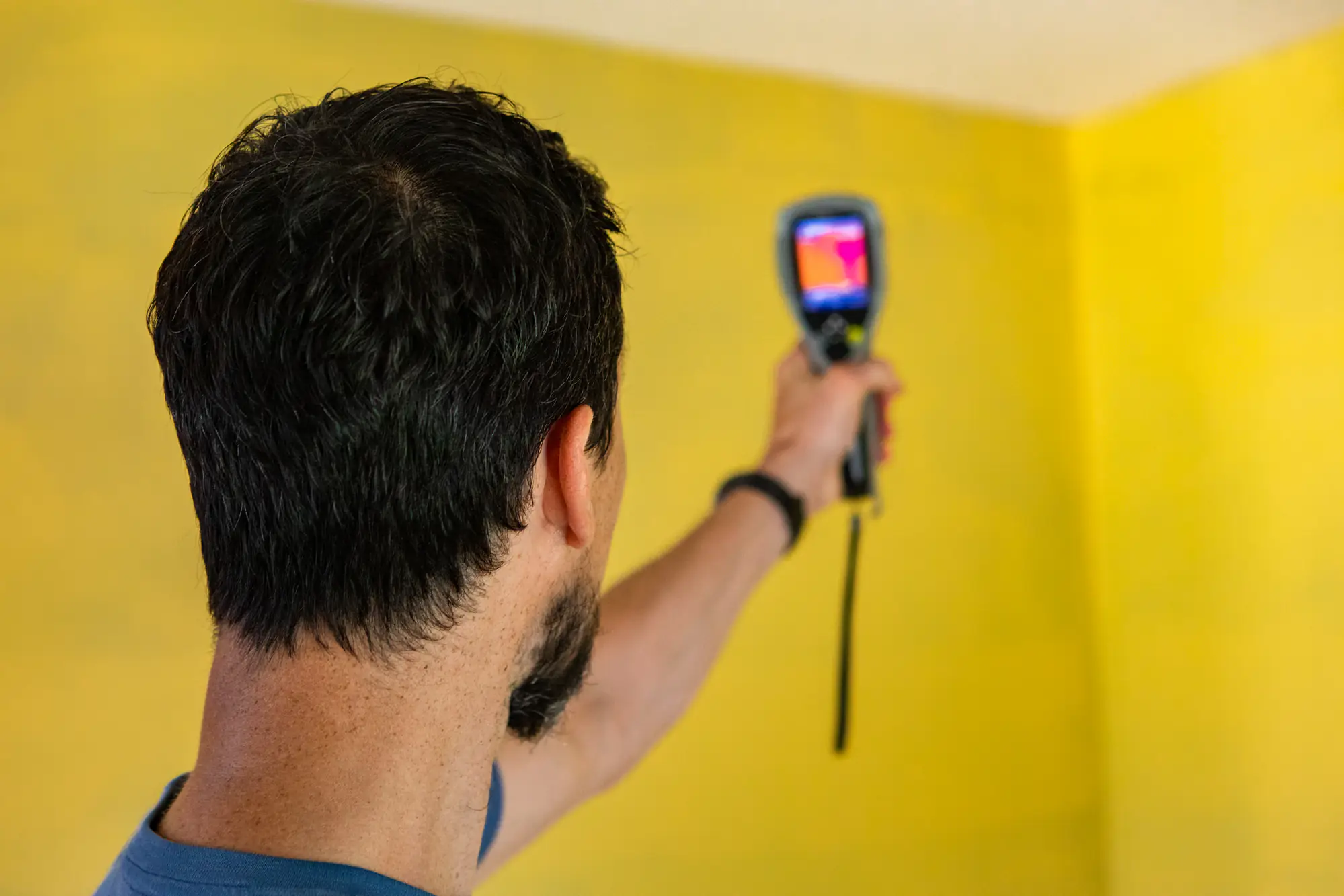
We use moisture meters to find hidden water sources. Infrared cameras show us temperature differences that point to leaks or condensation you can’t see. We take air samples from multiple rooms to measure spore levels, and we swab surfaces if there’s visible growth or staining.
Those samples go to a certified lab. You get a detailed report that breaks down what types of mold are present, how much, and where the contamination is concentrated. We review the results with you and explain what they mean in plain terms—no jargon, no upselling. If you need remediation, we’ll map out the scope. If you don’t, we’ll tell you that too.
Ready to get started?
Every residential mold testing appointment starts with a free inspection. We don’t charge you to come out and assess the situation. If testing makes sense, we’ll recommend it. If it doesn’t, we’ll say so.
Testing includes air sampling from affected areas and control areas, surface sampling where needed, moisture mapping, and infrared thermal imaging. You receive lab results that identify mold species, spore counts, and contamination levels. We also provide a written assessment that explains what the data means for your home.
Newportville homes—especially older properties near the Delaware River—are vulnerable to basement moisture and poor ventilation. If your home was built before modern moisture barriers became standard, testing helps you understand whether past water events left behind hidden growth. If you’re buying or selling, testing gives you documentation that protects everyone involved.
You need testing if you smell mold but can’t find it, if someone in your home has unexplained respiratory symptoms, or if you’ve had water damage and want to confirm it didn’t lead to growth. Testing also makes sense before buying a home, after a flood or leak, or if you see staining but aren’t sure what it is.
If you can see mold and it’s smaller than a few square feet, testing usually isn’t necessary—you just need removal. But if the contamination is widespread, hidden, or affecting your health, testing tells you what you’re dealing with and how serious it is.
Some people test for peace of mind after remediation to confirm the job was done right. That’s called clearance testing, and it’s a smart move if you’ve invested in mold removal and want proof the air quality is back to normal.
An inspection is a visual assessment. We look for visible mold, check for moisture problems, and identify conditions that support mold growth. Testing goes further—it involves collecting air or surface samples and sending them to a lab for analysis.
You might only need an inspection if the mold is obvious and you just want to understand the extent. But if there’s no visible mold and you’re dealing with symptoms or smells, testing is the only way to know for sure.
Testing also identifies the specific types of mold present. That matters because some species are more harmful than others, and knowing what you’re dealing with helps guide the remediation approach. Black mold test results, for example, confirm whether you’re dealing with Stachybotrys, which requires more aggressive removal methods.
The on-site inspection and sample collection usually take one to two hours, depending on the size of your home and how many areas we’re testing. We’re thorough, but we’re not going to waste your time.
Lab results typically come back within three to five business days. Once we have them, we’ll schedule a follow-up call or meeting to review the findings with you. We’ll walk through the report, explain what the spore counts mean, and answer any questions you have.
If you’re in a time crunch—say, you’re closing on a house or dealing with an insurance claim—we can request expedited lab processing for an additional fee. That can get you results in 24 to 48 hours.
Testing identifies what types of mold are present and how much is in the air. Some molds are more likely to cause health problems than others, and the lab report will specify the species. That gives you a clearer picture of the risk.
But here’s the truth: any mold growth indoors is a problem. Even if it’s not a “toxic” species, it can still trigger allergies, asthma, and respiratory issues—especially in kids, elderly family members, or anyone with a compromised immune system.
The real value of testing is knowing the scope of contamination and where it’s concentrated. That helps you make an informed decision about remediation and ensures you’re not overlooking hidden growth that could keep making people sick.
You can, but those kits don’t give you the full picture. Most over-the-counter tests only tell you that mold is present—which isn’t useful, because mold spores exist everywhere. What you need to know is how much is there, what kind it is, and whether the levels are abnormal.
DIY kits also can’t find hidden mold. If it’s growing behind a wall, under flooring, or in your HVAC system, a petri dish sitting on your counter won’t catch it. Professional testing uses air sampling and moisture detection to locate contamination you can’t see.
If you’re trying to save money, we get it. But if you’re dealing with health symptoms, preparing for a real estate transaction, or trying to document a problem for insurance, professional testing gives you credible, lab-certified results that actually mean something.
If testing confirms elevated mold levels, we’ll walk you through your options. Depending on the type of mold, the concentration, and where it’s located, you might need full remediation, targeted removal, or moisture control and ventilation improvements.
We’ll give you a clear scope of work based on the lab results. That includes identifying the moisture source, containing the affected area, removing contaminated materials, cleaning surfaces, and verifying air quality afterward. If it’s a small issue, the fix might be straightforward. If it’s more extensive, we’ll map out a plan that addresses the root cause so it doesn’t come back.
You’ll also get documentation that’s useful for insurance claims or resale disclosures. And if you’re working with your insurance company, we can help you navigate that process and provide the information they need to move your claim forward.
Other Services we provide in Newportville